Waste incineration / EfW
permits, stack limits, CARs, waste inputs, ash/APC residues, abnormal events, CO₂

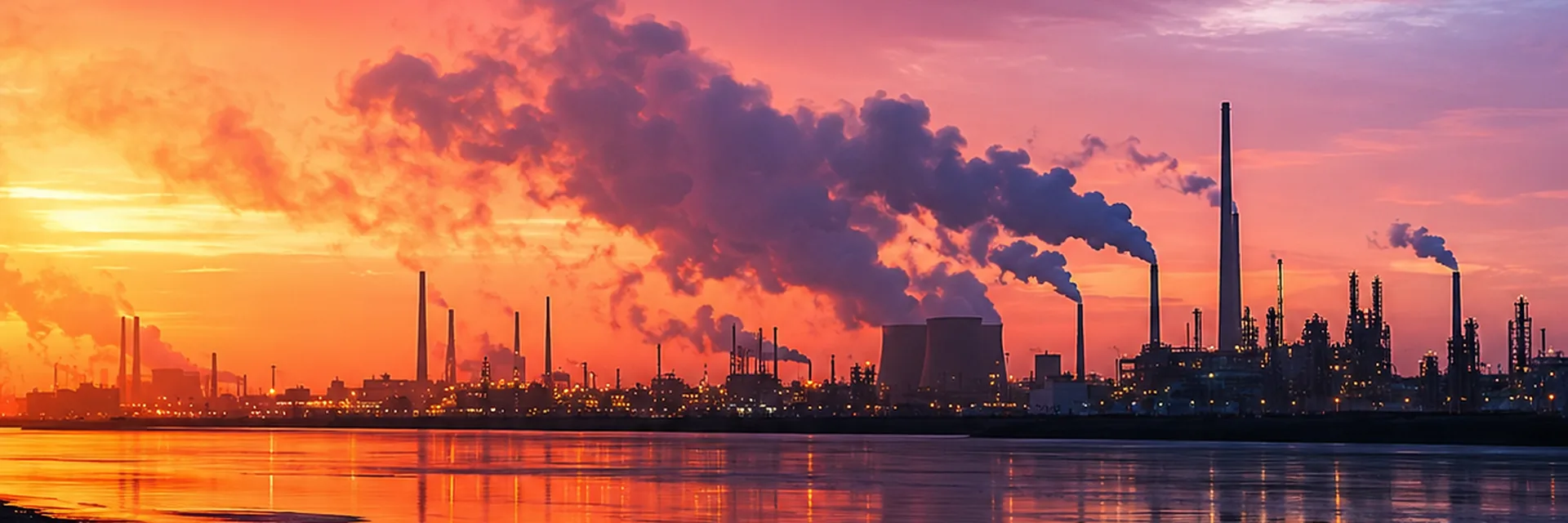
Candidate source classes for pollution and evidence-signal investigation, including but not limited to incineration.
SCC Air Quality evaluates every source class under the same evidence-chain gates. No class receives priority before an event-defined time window and geography make it relevant.
permits, stack limits, CARs, waste inputs, ash/APC residues, abnormal events, CO₂
NO₂/PM near roads, fleet mix, congestion, street canyon and receptor exposure
NAEI point-source context, permits, emissions returns, enforcement
NOx/SOx/PM context, harbour activity, wind direction and receptors
odour, methane, bioaerosols and waste movements
ammonia, secondary particulate chemistry and rural background
PM2.5, PAHs, seasonal evening patterns and local authority controls
inversions, wind sector, Saharan dust, regional episodes and CAMS context
A source class moves from candidate to stronger interpretation only after original-source review, monitor role, time alignment, meteorology, comparator context and reviewer challenge gates are satisfied.
Measurements, station and regional coverage, descriptive calculations, source records and stated limitations are the evidence available for review.
Automated checks confirm that the pipeline followed its declared rules. They do not constitute peer review, accreditation, regulatory approval or institutional endorsement.